Guide
Septic or sewer: what happens when the pipe reaches your street
Connection orders, betterments over 30 years, the costs that stay yours, and what to do if a replacement is due first.
Written by the Cape Cod Septic Experts editorial team · How we check our facts
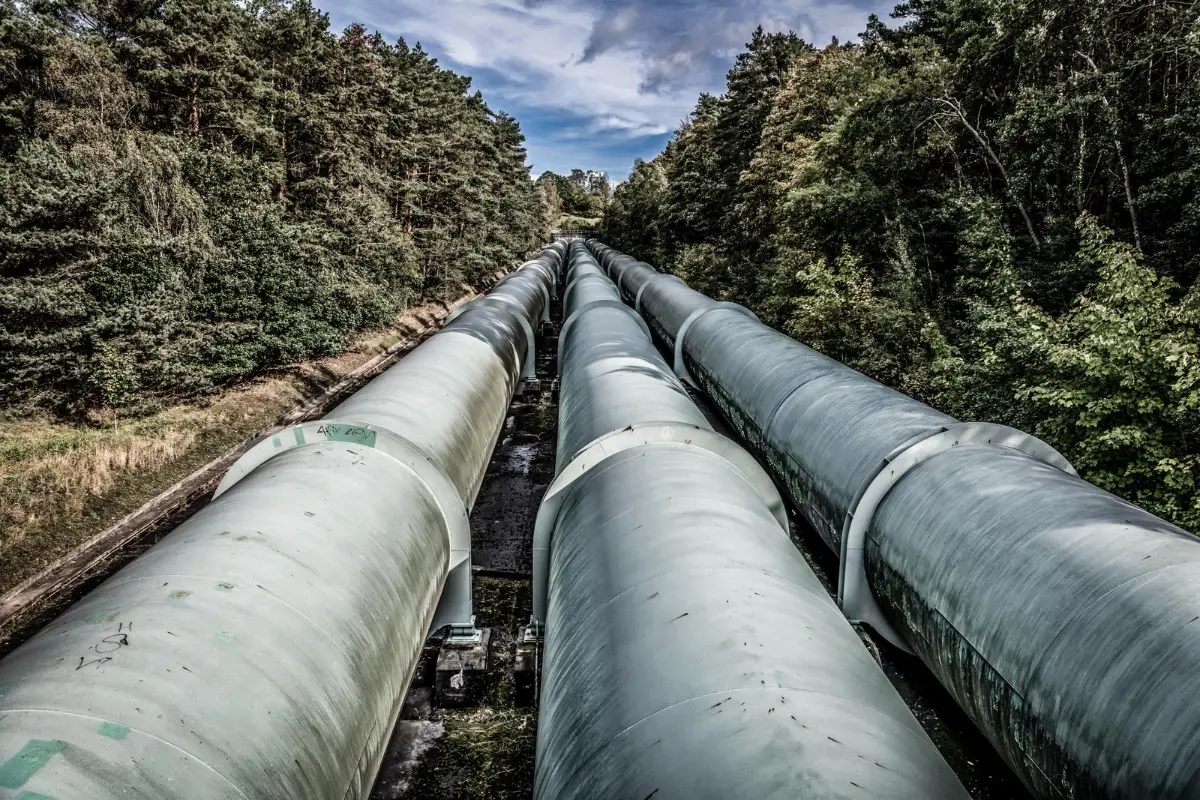
When a sewer main is built past your house, connecting stops being a choice. Title 5 requires the septic system to be abandoned and the building connected once a sanitary sewer becomes available, and the town sets the deadline: Barnstable allows six months from the board of health’s letter. You pay a betterment assessment for the main, capped at $10,000 per residential unit in Barnstable, plus the private connection from the house to the street.
Six months from the letter, whatever is in your yard
310 CMR 15.305(4) is short and blunt: where a sanitary sewer becomes available, the system must be abandoned and the building connected, with exceptions only for approved alternative systems and variance holders. In Barnstable, the board of health notifies the owner and the building must be connected within six months of that letter, with extensions granted case by case (Barnstable FAQ).
The windows differ elsewhere, and they can move. Harwich issued Orders to Connect to 265 owners in February 2022 and later extended its Phase 2 deadline to March 1, 2025 (Harwich Water). On the South Shore, Marshfield’s Chapter 223 requires connection within one year of the sewer becoming operational and makes it unlawful to build or extend a septic system where public sewer is available, with DPW extensions for hardship (Chapter 223). Note what none of these turn on: the age or condition of your system. Barnstable’s FAQ says plainly that a newly installed Title 5 system earns no exemption.
The assessment, and how 30 years of it lands on the tax bill
The betterment is your share of the sewer main, assessed against the property rather than against you. Barnstable caps it at $10,000 per residential unit and $5,000 for a unit of one bedroom or fewer, payable in a lump sum or apportioned over 30 years as additions to the quarterly tax bill (anticipated costs).
Spread out, the numbers are smaller than the headline. Yarmouth has published 30-year examples of roughly $510 a year for a three-bedroom single-family house and $340 for a two-bedroom condominium (Yarmouth FAQ). One reason those figures are not larger is regional: the Cape Cod and Islands Water Protection Fund collects a 2.75% excise on lodging and short-term rentals in all 15 Cape towns and applies it as subsidy on state revolving fund loans, which lowers what a town has to recover through assessments and rates. It pays towns, not homeowners, but it lands on your bill all the same.
The connection costs that stay yours alone
The betterment does not buy the pipe from your house to the street. That private connection, the plumbing changes and the septic abandonment are the owner’s, and they vary with distance and site: Falmouth averaged $4,000 to $6,000 and Chatham ranged from $2,880 to $23,828 (Mashpee, the cost to connect).
Then there is the meter running afterwards. Annual sewer use fees run about $435 in Barnstable to about $500 in Falmouth, which is a new line in the household budget where a septic system only cost you a pump-out every three years. Where the house sits below the main, a grinder pump is added, with its own power and maintenance. Two towns tried to soften the edges in 2025: Chatham sought $50,000 and Orleans set aside $100,000 to help year-round residents with connection and abandonment costs (Cape Cod Chronicle, secondary). Both were reported as proposals, so confirm before counting on either.
Pumping, crushing and filling the system you leave behind
Abandonment is a permitted job with its own rules. 310 CMR 15.354 requires an application to the board of health at least 14 days before the work, a pump-out by a licensed hauler, and then removal of the tank or breaking its bottom and filling it with clean sand or other approved material.
Get it on the same contractor’s schedule as the connection. The tank is already exposed while the lateral is being run, and a second mobilization for a separate abandonment is wasted money. Keep the paperwork, because the completion of a proper abandonment under 15.354 is one of the things the state credit asks about where a watershed permit required the connection. The sewer connection page covers who does which half of this work.
Borrowing at 0% or 2%, and the credit that follows a watershed permit
Barnstable County reserves its cheapest money for exactly this. AquiFund lends at 0% or 2% for new municipal sewer connections, limited to income-qualified, owner-occupied, year-round primary residences, against 4% or 5% for septic work. At the March 2023 relaunch the county set the 0% tier for households under $100,500 and 2% under $150,500 in nitrogen-sensitive watersheds (county announcement).
The tax credit reaches some connections and not others. It has long covered connections required by Title 5 or by a court or administrative consent order (Directive 01-6), and for tax years beginning in 2024 it also covers sewer connections required by a watershed permit under 314 CMR 21.00, with proper abandonment (TIR 24-14). Guidance addresses connection costs; whether a town betterment for the main itself counts was not confirmed in the research behind this page, so ask your preparer rather than assuming. Several towns, including Chatham, Orleans and Eastham, want their Notice to Connect letter in hand before an AquiFund sewer application. Program terms are set by the agencies and change; confirm with the state or county page linked here.
When a replacement is due and the pipe is years away
This is the hard case: a failed system, a two-year clock, and a sewer phase that starts in six years. Ask the town first, because Barnstable’s board of health and DPW try to avoid new Title 5 installations in near-term sewer areas. There is also a route for waiting: 15.305(1)(b) allows a longer enforceable schedule where the owner commits financially to connect within five years and pumps regularly meanwhile.
MassDEP may allow longer still where the municipality can show a funded construction schedule. What the enforceable schedule does not allow is doing nothing: backups and surface discharges have to be prevented throughout. Where sewer is a decade away or unplanned, the answer is usually a replacement now, and the replacement cost guide sets out what that costs. The regional picture keeps moving, with Eastham building its first treatment plant and Provincetown’s service expected to be town-wide by 2030 (Cape Cod Commission, August 31, 2026).
Getting a straight answer for your street
Three questions settle most of it. To the DPW or sewer commission: which phase covers my parcel and what year is it scheduled. To the board of health: has a connection order been issued for this address, and what does the town require for abandonment. To the assessor or treasurer: what assessment has been levied and over what term.
Then decide with numbers. If the pipe is close, price the sewer connection work and the abandonment together, and read the AquiFund guide before you sign anything, since the rate you qualify for changes the arithmetic. If it is far off and your system is failing, book a soil evaluation and design and get the replacement moving; the Title 5 guide explains the upgrade clock you are working against, and septic system replacement sets out the build.
Money
Help paying for septic work
Two public programs pay for a large share of most Title 5 upgrades. Which one applies depends on the county the house is in.
Statewide, principal residence
State income tax credit for Title 5 work
- 60% of qualifying repair or replacement costs, on up to $30,000 of expenses
- Up to $18,000 in total credit per household, taken at up to $4,000 a year
- Unused credit carries forward for up to 5 years
- Applies to the home you live in, not a rental or second home
Barnstable County homeowners only
Low-interest county financing (AquiFund)
- County-run Community Septic Management Loan Program
- Interest tiers from 0% to 5%, set by the type of work and whether you live there year-round
- Repaid over up to 20 years as a betterment on your property tax bill
- Covers Title 5 repairs, replacements and nitrogen-reducing upgrades
Plymouth County homeowners
Financing for South Shore homes
- AquiFund does not extend past the Cape Cod Canal
- The Town of Plymouth runs its own Title V septic loan, repaid as a betterment on the tax bill
- MassHousing offers a septic repair loan for eligible owner-occupants statewide
- Ask your board of health which town programs are open this year
Program terms are set by the agencies and change; confirm with the state or county page linked here before you count on a number.
Licensing
Check the credentials before you sign
Massachusetts has no single statewide septic contractor license. Two separate approvals matter. A Title 5 inspection is valid only when a System Inspector approved by MassDEP performs it. Installation and repair work is permitted town by town: each board of health licenses installers and issues the Disposal System Construction Permit for the job.
You can check both yourself. The state publishes the inspector training and approval program, and the regulation itself sets out who may do what.
Three questions to ask
-
Which of you holds the Title 5 System Inspector approval, and can I see the certificate?
Only a MassDEP-approved System Inspector may sign an official inspection form. The approval is personal to the inspector, not to the company.
-
Are you on this town’s current list of approved septic installers?
Installation licenses are issued by each board of health, one town at a time. A crew licensed in Falmouth is not automatically licensed in Bourne.
-
Who pulls the permit, and will I get the as-built plan and the Certificate of Compliance?
The permit and the final sign-off are what a future buyer’s inspector will ask for. Get it in writing that both come to you when the work closes out.
The process
From your request to a site visit
-
Your request goes to one local septic company
It goes to a single septic company that works in your town and handles your kind of job. It is not sold to a list, and you will not get calls from five companies.
-
They call to set up a site visit
Expect a call, usually within one business day. The contractor asks about the house, the inspection report if you have one, and your timing, then books a visit.
-
You get a written quote and decide
After the visit you receive a written estimate with the scope and the permit plan. There is no fee and no obligation. If it is not a fit, say so and that is the end of it.
Questions homeowners ask
Do I have to connect when sewer reaches my street?
Yes. Under 310 CMR 15.305(4), where a sanitary sewer becomes available the septic system must be abandoned and the building connected, apart from approved alternative systems and variance holders. Towns set the window: Barnstable gives six months from the board of health's notice, with case-by-case extensions, and Marshfield's Chapter 223 allows one year after the sewer becomes operational.
What happens to my septic tank after I connect?
It is abandoned under 310 CMR 15.354. Apply to the board of health at least 14 days beforehand, have a permitted hauler pump the tank, then either remove it or break its bottom and fill it with clean sand or another approved material. Towns often want photographs of the work. Budget for it, because abandonment is part of the connection job rather than an extra.
I just installed a new system. Do I still have to connect and pay?
Yes. Barnstable's water resources FAQ is explicit that there is no exemption for a recently installed Title 5 system: the connection order and the sewer assessment apply the same way. That is the reason to ask the town about sewer timing before you design a replacement, rather than after you have spent $30,000 on a system with a short life ahead of it.
What is a sewer betterment and how is it paid?
It is your share of the cost of the sewer main, assessed against the property. Barnstable caps the residential assessment at $10,000 per unit and $5,000 for a unit of one bedroom or fewer, payable as a lump sum or apportioned over 30 years on the tax bill. Yarmouth has published 30-year examples of about $510 a year for a three-bedroom house.
Is there help paying for a sewer connection?
Barnstable County's AquiFund lends at 0% or 2% for new municipal sewer connections by income-qualified, year-round owner-occupants, and at 4% or 5% for septic work. Chatham and Orleans put local money toward connection and abandonment costs for year-round residents in 2025 proposals. The state credit can apply where the connection is required. Confirm current terms with the county and your town.
When will sewer reach my neighborhood?
That is a town question and the answers vary widely. Barnstable is working through a 30-year, three-phase plan and made its first residential connections in May 2024; Eastham expected to start building its treatment facility in September 2026; Provincetown's service is expected to be town-wide by 2030. Ask the DPW or sewer commission for the phase map covering your street.
Tell us about your system
One call or form, a written quote after a site visit. Free for homeowners, no obligation.