Guide
How long a septic replacement takes on Cape Cod and the South Shore
Stage by stage durations from the first test pit to the certificate, and the permit, season and town rules that stretch them.
Written by the Cape Cod Septic Experts editorial team · How we check our facts
Plan on roughly three to four months from the first soil test to the Certificate of Compliance, and longer if the design needs a variance, a wetlands filing or a winter. Only days to two weeks of that is excavation. The rest is soil evaluation, engineering, a board of health review and inspections. Title 5 sets deadlines, not turnaround times, so the durations below come from practitioner sources and town rules.
Test pits first: no plan gets drawn without them
Nothing can be designed until a MassDEP-approved Soil Evaluator has dug the test holes and run a percolation test in front of the board of health. Certified results reach the board, designer and owner within 60 days of the field work (310 CMR 15.018), and the perc test must be witnessed, so its date is the board’s to give (15.104).
The evaluator is establishing the estimated seasonal high groundwater, read from soil mottling and supported by well correlation or coastal tidal monitoring (15.103). That elevation decides the job: the leaching stone must sit 4 feet above high groundwater, or 5 feet in soils percolating at 2 minutes per inch or faster, which is most Cape outwash (15.212). Towns add a front end of their own. Mashpee requires 48 hours’ notice and an agent at the pits (Mashpee), Dennis can require testing in the high-water season (Dennis regulations), and Pembroke wants six months of observation-well readings, every two weeks from February through April, before a system is designed (Pembroke Title V rules). Ask that first; it can move a project by a season.
Forty-five days on the board’s desk, plus whatever a variance adds
Plan review is the one stage with a documented number. Pembroke gives its board 45 days to approve or reject a complete submission, local variances go to a board meeting, and state variances add 90 days (Pembroke Title V rules). Practitioner guidance puts most Massachusetts boards near that same 45 days, though that figure is secondary (MV Buyer Agents).
Complete is the operative word. Mashpee wants the plan in duplicate at 1 inch to 30 feet, showing the lot, the system, every water source within 200 feet, soil logs, perc results and cross-sections. A submission missing one of those starts a revision, not a clock. A failed system on a tight lot usually needs a Local Upgrade Approval, letting the board relax setbacks or field size to the least degree necessary (15.405). Brewster lets staff approve certain ones in house (Brewster regulations); elsewhere it is an agenda item, and missing a meeting costs a fortnight. In Barnstable, plan review is $50 and each variance $95 (fee schedule). The design and soil evaluation page covers that stage.
A permit good for three years, and an installer’s calendar that is not
Once the plan is approved, the board issues a Disposal System Construction Permit and the pressure comes off the paperwork. Construction has to be finished and the Certificate of Compliance obtained within 3 years of final approval, with one 1-year extension available on written request before it expires (310 CMR 15.020).
Three years is generous, so the permit is rarely the constraint. Mashpee voids one if installation has not started within 12 months, and the failure clock does not stretch to match: a system that failed Title 5 must be upgraded within 2 years of the inspection date (15.305). The real gate is who may dig. Only a contractor holding the town’s Disposal System Installer’s permit may build, upgrade or repair a system, and licensing is town by town (15.019). Even one component counts as a project: replacing a tank or a distribution box needs its own permit and certificate (MassDEP), as the septic tank replacement page explains.
Two weeks in the yard, then the sign-offs that let you flush
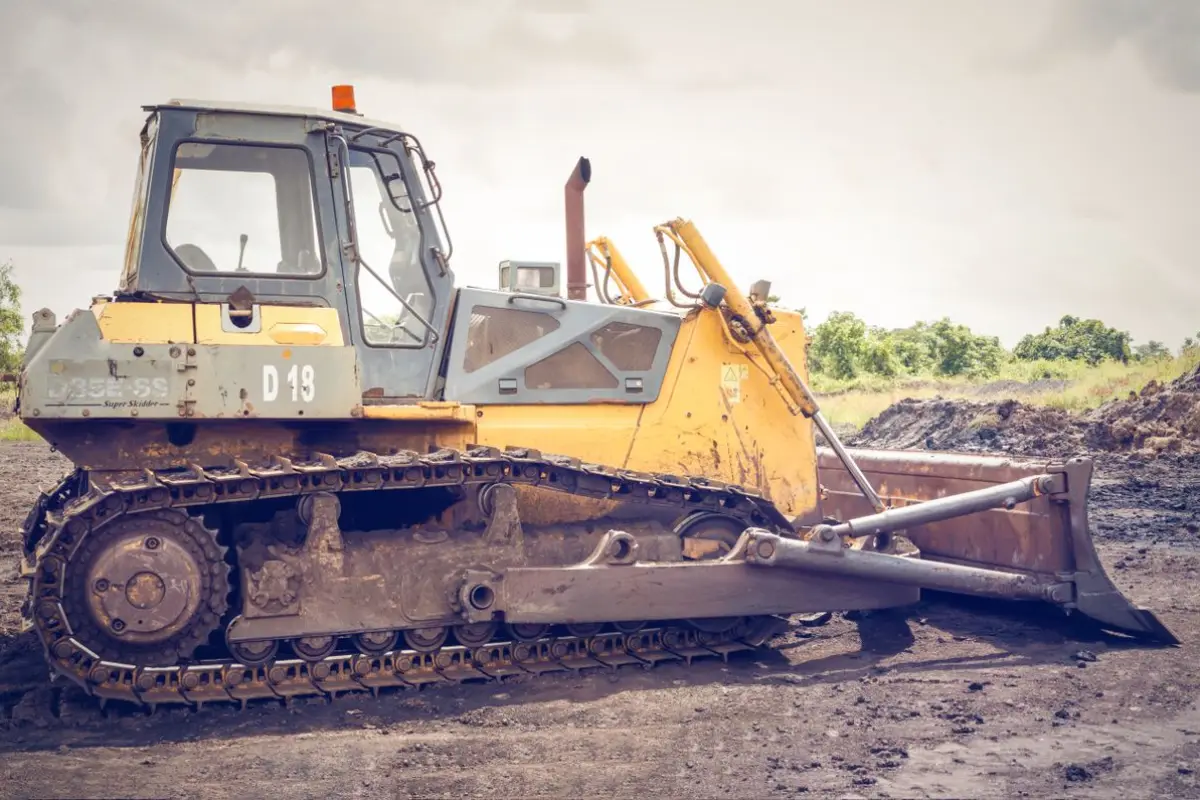
Site work is the short stage: usually a few days to two weeks, depending on system size, access for machinery and whether a raised bed and pump chamber are involved. One Cape site-work contractor’s published process describes the same span (secondary, Brundage). What follows the digging is paperwork.
Inspection comes before backfill, not after. Mashpee asks for a full day’s notice, and Barnstable charges $25 for a re-inspection (fee schedule). After the final inspection the installer and the designer have 30 days to certify that the system was built to Title 5, the approved plan and local rules, with an as-built required wherever the design changed (310 CMR 15.021). No sewage may be discharged until the board issues the Certificate of Compliance, and that certificate is not a guarantee the system will function. Keep it anyway: it exempts the next transfer from an inspection for 2 years, or 3 with annual pumping records, as the validity guide explains.
Frozen ground, the spring water table and a booked-out summer
The only weather rule in Title 5 concerns inspections: where frozen ground or snow prevents one before a closing, it may be done as soon as conditions permit and no later than 6 months after the transfer (MassDEP). Nothing in the code pauses construction for winter; the season bites at the two ends instead.
The soil end is the real one, because high groundwater is judged against a seasonal high and the month you dig matters. Duxbury points owners to a real-time reading from observation well #79 (Duxbury Title 5 information), Dennis can require testing in the high-water season, and Pembroke’s readings run February through April. A pit dug in a dry September is usually adjusted by correlation rather than refused, but that is the evaluator’s call. At the other end, no Cape company publishes installation lead times, so treat any summer span you are quoted as an estimate.
What you can run at the same time, and what has to wait
Three things need not wait in line: pulling the as-built and pumping history from the board of health, asking whether sewer is planned for your street, and starting on the money. Barnstable County says a complete AquiFund application can be approved in as little as 48 hours, but complete means a signed contractor bid.
The order is fixed at one point: design, then bids on that design, then the loan, because no lender acts on a range. The state credit is claimed for the year you pay, at up to $4,000 a year against an $18,000 cap, so a job straddling a tax year is worth timing (Mass.gov). Program terms are set by the agencies and change; confirm with the state or county page linked here. The sewer question belongs at the start: Barnstable discourages new installations where sewer is close, and connection is mandatory within six months of notice (Barnstable FAQ). If a sale is driving this, the 2-year clock runs from the inspection date and does not restart at closing, which is why the routes in the failed report selling guide get picked early.
Setting real dates for your own address
Two calls turn a generic three to four months into your dates. Ask the board of health what is on file for the address, what bedroom count is permitted, how long plan review runs there and when the board meets. Then ask a soil evaluator when the test pits can be witnessed and whether the time of year changes the reading.
Book the soil evaluation first, because every later date hangs off it. With an approved plan, put it out to licensed installers and start the loan application on the signed bid. If a failed report brought you here, failed Title 5 repair and upgrade covers what a board can order, and the Title 5 guide sets out the four results behind that deadline. For what each stage costs, use the replacement cost guide, and start the work itself at septic system replacement.
Licensing
Check the credentials before you sign
Massachusetts has no single statewide septic contractor license. Two separate approvals matter. A Title 5 inspection is valid only when a System Inspector approved by MassDEP performs it. Installation and repair work is permitted town by town: each board of health licenses installers and issues the Disposal System Construction Permit for the job.
You can check both yourself. The state publishes the inspector training and approval program, and the regulation itself sets out who may do what.
Three questions to ask
-
Which of you holds the Title 5 System Inspector approval, and can I see the certificate?
Only a MassDEP-approved System Inspector may sign an official inspection form. The approval is personal to the inspector, not to the company.
-
Are you on this town’s current list of approved septic installers?
Installation licenses are issued by each board of health, one town at a time. A crew licensed in Falmouth is not automatically licensed in Bourne.
-
Who pulls the permit, and will I get the as-built plan and the Certificate of Compliance?
The permit and the final sign-off are what a future buyer’s inspector will ask for. Get it in writing that both come to you when the work closes out.
The process
From your request to a site visit
-
Your request goes to one local septic company
It goes to a single septic company that works in your town and handles your kind of job. It is not sold to a list, and you will not get calls from five companies.
-
They call to set up a site visit
Expect a call, usually within one business day. The contractor asks about the house, the inspection report if you have one, and your timing, then books a visit.
-
You get a written quote and decide
After the visit you receive a written estimate with the scope and the permit plan. There is no fee and no obligation. If it is not a fit, say so and that is the end of it.
Questions homeowners ask
How long does it take to replace a septic system on Cape Cod?
Budget three to four months from the first soil test to the Certificate of Compliance in a normal case, and longer with a variance, a wetlands filing or a winter in the middle. Only a few days to two weeks of that is excavation. The rest is soil evaluation, engineering, board of health review, inspections and final certification. Those spans come from practitioner sources, not from Title 5, which sets deadlines rather than turnaround times.
How long does board of health plan approval take?
Pembroke's local rules give its board 45 days to approve or reject a complete plan, local variances go to a board meeting, and state variances add 90 days. Practitioner guidance suggests most Massachusetts boards act within about the same 45 days, but that is a secondary figure and towns are not required to publish one. An incomplete submission does not start the clock at all.
How long does the actual installation take?
Usually a few days to two weeks of site work for a house system, longer where a raised bed, a pump chamber or ledge is involved. The board then inspects before backfill, and the installer and designer have 30 days from the final inspection to certify the work, with an as-built plan wherever the design changed. No sewage may be discharged until the Certificate of Compliance issues.
How long is my septic construction permit valid?
Construction must be completed and the Certificate of Compliance obtained within 3 years of final approval, and one 1-year extension is available if you ask in writing before the permit expires, under 310 CMR 15.020. Local rules can be tighter: Mashpee voids a permit if installation has not started within 12 months. The permit's life does not extend the 2-year deadline to fix a failed system.
When does the 2-year clock start after a failed inspection?
At discovery of the failure, which in practice means the inspection date, under 310 CMR 15.305. It does not restart when the house sells, so a buyer inherits whatever months are left. A board of health can set a shorter deadline where it finds an imminent health threat, and longer schedules are possible where the owner commits financially to a sewer connection within 5 years and pumps in the meantime.
How long does an AquiFund loan take to approve?
Barnstable County says a complete application can be approved in as little as 48 hours. Complete is the catch: the application wants a signed contractor bid, which means the design and the bidding have to be finished first. That is why financing is rarely what delays a project. AquiFund covers Barnstable County only. Program terms are set by the agencies and change; confirm with the state or county page linked here.
Tell us about your system
One call or form, a written quote after a site visit. Free for homeowners, no obligation.