Guide
Running an I/A septic system: maintenance, reporting and cost
The contract, the sampling calendar, the county database and the yearly bill that comes with a nitrogen-reducing system.
Written by the Cape Cod Septic Experts editorial team · How we check our facts
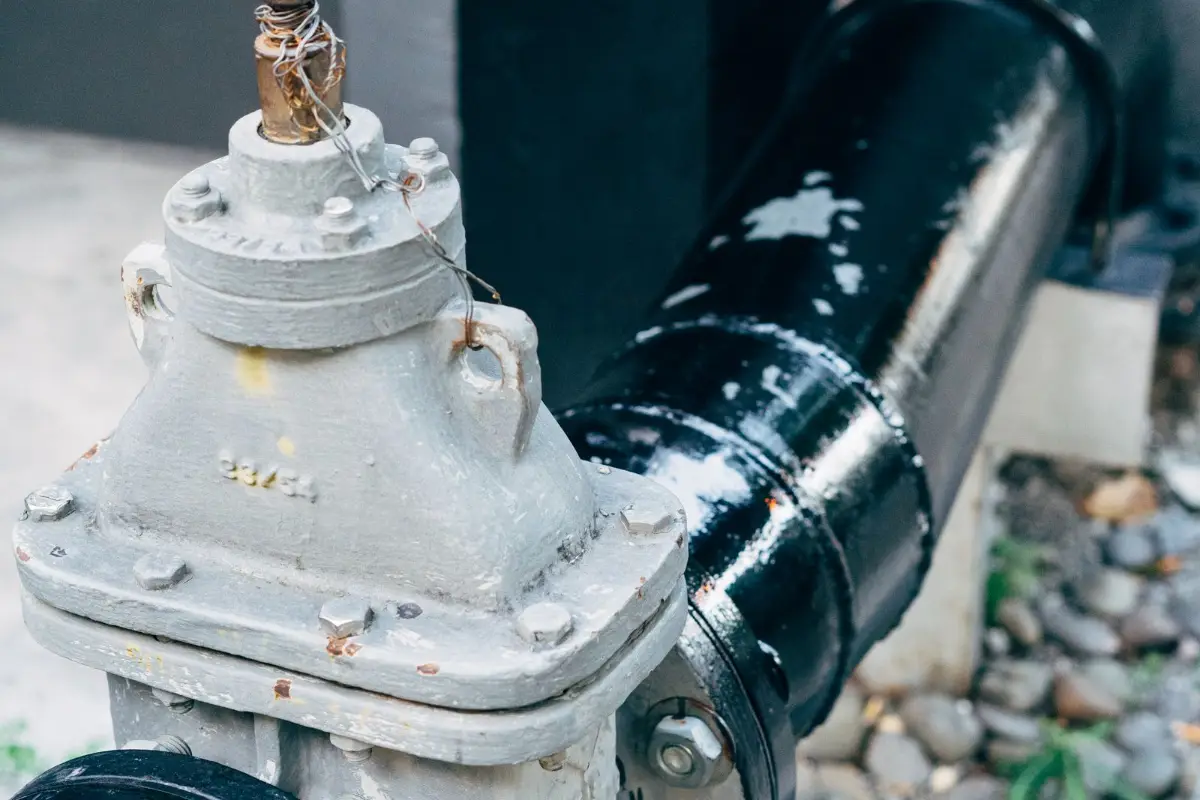
An innovative/alternative system is a small treatment plant, and the state treats it that way. You must keep an operation and maintenance contract with a certified operator in place at all times, allow sampling, and have the results reported to your town and to Barnstable County’s tracking database. Budget roughly $700 to $1,500 a year for the contract and sampling, plus power and pump-outs. The obligation is recorded on your deed and passes to whoever buys the house.
The contract that has to exist before the system runs
310 CMR 15.287 sets five duties on the owner: keep an operation and maintenance contract with a certified operator at all times, obtain a determination on whether a certified operator is required, allow MassDEP and the board of health to inspect and sample, use approved laboratories, and record a MassDEP-approved notice of the alternative system in the chain of title before the Certificate of Compliance is issued.
Towns add their own conditions on top. Mashpee has required denitrifying units near water bodies since November 2000 and will not issue a Certificate of Compliance without a service contract in hand, along with quarterly monitoring reports and run-time meters (Mashpee Part IX 15.00). Marshfield wants an alternative technology checklist, an owner’s certification form and a recorded notice (Marshfield). Ask for your technology’s approval letter before you sign anything, because the letter, not the brochure, sets the schedule.
How often an operator visits, and what leaves the site in a bottle
Frequency follows approval status rather than brand. Barnstable County sets out the pattern its towns work to: annual field testing for General Use technologies, a heavier first year for nitrogen-reducing units, and quarterly laboratory work while a technology is still provisional or piloting (contract requirements).
| Approval status | Typical schedule | What is measured |
|---|---|---|
| General Use | Annual inspection | Field tests: dissolved oxygen, turbidity, pH, color |
| General Use, nitrogen reduction | Quarterly in year 1, then semi-annual | Laboratory total nitrogen |
| Provisional Use | Quarterly | Laboratory pH, BOD5, TSS, alkalinity, total nitrogen |
| Piloting | Monthly for 3 months, then quarterly | Per the approval letter |
Local boards of health often require quarterly visits whatever the approval says, so treat the table as the floor. MassDEP’s approved technologies list is where each unit’s status and its certified nitrogen limit are published, and that table is reviewed annually, so check it rather than a datasheet.
Where the results go, and the county database behind them
Your operator does not just visit; the operator files. On Cape Cod each inspection and sample result is uploaded to Barnstable County’s I/A tracking database, which follows operation and maintenance reporting for about 3,600 systems on behalf of the towns (Barnstable County). The town sees compliance without chasing paper.
That database is also how the schedule gets shorter. New systems are usually sampled quarterly, and after a run of consistent results an owner can petition the board of health, and MassDEP first for a provisional or piloting technology, to move to annual inspections, which the county says saves $1,000 or more a year (I/A system inspections). Ask your operator when you become eligible to petition rather than waiting to be told.
What a year of ownership actually costs
Put the running cost at roughly $700 to $1,500 a year for the contract and sampling. A 2020 regional primer put General Use systems at $500 to $700 a year and about $1,400 a year while a technology sits under provisional approval with quarterly laboratory work (NEWEA, secondary), and Falmouth discussion in March 2025 used contracts of about $1,500 (Falmouth Enterprise, secondary).
Three costs sit outside that band. Electricity, because most units run blowers or pumps continuously. Parts, because media, ultraviolet lamps and float switches are consumables. And pumping: Mashpee advises pumping an alternative system yearly, where a conventional tank goes three years, which the septic pumping page prices out. Note what the money programs do and do not reach: the state credit and a 4% AquiFund loan can pay for installing a required nitrogen-reducing system (TIR 24-14), but routine operation and maintenance is not eligible for the credit. Program terms are set by the agencies and change; confirm with the state or county page linked here.
What happens when the reporting stops
A lapsed contract is a violation of 15.287, not an administrative slip, because the regulation requires the contract to exist at all times. The practical mechanism is the county database: when results stop arriving, the town can see it, and the board of health can require the contract to be reinstated and the sampling caught up.
What each town does next varies, so ask yours rather than assuming. Two consequences are predictable everywhere. The unit itself degrades without service, and a treatment system that has not been sampled for two years is a system nobody can vouch for. And the gap shows up at sale, when a buyer asks for the last year of results and you have none. Brewster is one of four towns the county named as pilot communities for a responsible management entity that would service I/A systems like a small utility, which is the direction this is heading.
The obligation the next owner inherits
Because the notice is recorded in the chain of title, the treatment unit is disclosed to every future owner by the deed itself. The contract requirement does not pause at closing: the buyer either takes an assignment of your contract or signs a new one with a certified operator, and the county keeps tracking the address either way.
Package the file before you list. The technology’s approval letter, the current operation and maintenance contract, the last year of sampling results, the pump-out receipts and the Certificate of Compliance answer nearly every question a buyer’s agent will ask. The buyer’s guide sets out what a careful buyer looks for in that same pile, which is a fair way to check whether yours is complete.
Setting up the contract and the budget
If you are about to have a unit installed, line up the operator before the commissioning visit, not after, because the contract has to exist before the Certificate of Compliance is issued. Ask the operator three things: the visit schedule under this technology’s approval, the annual price including laboratory fees, and when you can petition to reduce the frequency.
If you have inherited a system and cannot find the paperwork, start at the board of health, which holds the approval and the recorded notice. The I/A systems page covers what the hardware does and what the operator checks, and septic system replacement sets out the alternative if the unit is at the end of its life. For whether you need nitrogen treatment at all in 2026, read the nitrogen rules guide; for how an I/A result fits into a sale, the Title 5 guide explains what the inspector records.
Money
Help paying for septic work
Two public programs pay for a large share of most Title 5 upgrades. Which one applies depends on the county the house is in.
Statewide, principal residence
State income tax credit for Title 5 work
- 60% of qualifying repair or replacement costs, on up to $30,000 of expenses
- Up to $18,000 in total credit per household, taken at up to $4,000 a year
- Unused credit carries forward for up to 5 years
- Applies to the home you live in, not a rental or second home
Barnstable County homeowners only
Low-interest county financing (AquiFund)
- County-run Community Septic Management Loan Program
- Interest tiers from 0% to 5%, set by the type of work and whether you live there year-round
- Repaid over up to 20 years as a betterment on your property tax bill
- Covers Title 5 repairs, replacements and nitrogen-reducing upgrades
Plymouth County homeowners
Financing for South Shore homes
- AquiFund does not extend past the Cape Cod Canal
- The Town of Plymouth runs its own Title V septic loan, repaid as a betterment on the tax bill
- MassHousing offers a septic repair loan for eligible owner-occupants statewide
- Ask your board of health which town programs are open this year
Program terms are set by the agencies and change; confirm with the state or county page linked here before you count on a number.
Licensing
Check the credentials before you sign
Massachusetts has no single statewide septic contractor license. Two separate approvals matter. A Title 5 inspection is valid only when a System Inspector approved by MassDEP performs it. Installation and repair work is permitted town by town: each board of health licenses installers and issues the Disposal System Construction Permit for the job.
You can check both yourself. The state publishes the inspector training and approval program, and the regulation itself sets out who may do what.
Three questions to ask
-
Which of you holds the Title 5 System Inspector approval, and can I see the certificate?
Only a MassDEP-approved System Inspector may sign an official inspection form. The approval is personal to the inspector, not to the company.
-
Are you on this town’s current list of approved septic installers?
Installation licenses are issued by each board of health, one town at a time. A crew licensed in Falmouth is not automatically licensed in Bourne.
-
Who pulls the permit, and will I get the as-built plan and the Certificate of Compliance?
The permit and the final sign-off are what a future buyer’s inspector will ask for. Get it in writing that both come to you when the work closes out.
The process
From your request to a site visit
-
Your request goes to one local septic company
It goes to a single septic company that works in your town and handles your kind of job. It is not sold to a list, and you will not get calls from five companies.
-
They call to set up a site visit
Expect a call, usually within one business day. The contractor asks about the house, the inspection report if you have one, and your timing, then books a visit.
-
You get a written quote and decide
After the visit you receive a written estimate with the scope and the permit plan. There is no fee and no obligation. If it is not a fit, say so and that is the end of it.
Questions homeowners ask
How often does an I/A system have to be inspected?
It depends on the technology's approval. General Use systems are typically inspected annually with field tests, General Use nitrogen-reducing units quarterly in year one and then semi-annually with lab total nitrogen, Provisional Use units quarterly with lab tests, and piloting technologies monthly for three months and then quarterly. Local boards of health often require quarterly visits regardless, so read the approval letter and the town regulation together.
What does an I/A system cost to run each year?
Budget roughly $700 to $1,500 a year for the contract and sampling. A 2020 regional estimate put General Use systems at $500 to $700 a year and about $1,400 while under provisional approval with quarterly lab sampling, and Falmouth discussion in 2025 used about $1,500. Electricity for blowers and pumps, replacement media or parts, and pump-outs every one to three years are on top.
Does an I/A system have to be recorded on the deed?
Yes. Under 310 CMR 15.287 a MassDEP-approved notice of the alternative system is recorded in the chain of title before the Certificate of Compliance is issued. It tells every future owner that the property carries a treatment unit with an operating obligation, and it is one of the documents a buyer's attorney should find at the Registry during a title search.
If my technology is dropped from MassDEP's list, do I have to replace it?
No. MassDEP completed its 2026 annual review and clarified, in a letter dated June 4, 2026 that was relayed to Barnstable's town council, that a technology being left off or removed from the Best Available Nitrogen Reducing Technology list does not require existing owners of that technology to upgrade. Your existing approval and your operating obligations continue as they are.
Can the county service my I/A system?
Barnstable County's Septic Utility offers homeowner service tiers that include full operation and maintenance, sampling only, oversight, and oversight during installation. Fees are not published, so ask for a quote and compare it against a private certified operator. Whoever you hire, the contract has to satisfy 310 CMR 15.287 and whatever your board of health requires locally.
What happens to the service contract when I sell?
The obligation runs with the system, not with you. The contract must be in place at all times, so a buyer takes over an existing one or signs a new one with a certified operator. Hand over the technology's approval letter, the current contract and the last year of sampling results at closing, because a buyer who cannot see the records has no way to judge the unit.
Tell us about your system
One call or form, a written quote after a site visit. Free for homeowners, no obligation.